 PDF Report (English)
北タイ少数民族とコーヒー栽培との関わり/コーヒーで築く新たな世界
対象とする問題の概要 タイ北部は山地や森林を広く有する。20世紀中頃から国民国家の形成に力を入れ始めたタイ政府は「森林政策」や「山地民族政策」を講じ始めた。その際、主に山間部に居住する非タイ系諸族の人々に対し、ケシ栽培や焼畑行為による森林…


A double burden of malnutrition exists in Uganda, where levels of overweight in women 15–49 years old have been on the increase since 1995, when first data became available. In 2016, up to 24% of women in Uganda were overweight, compared with 8.9% of men. At the same time, levels of undernutrition among children under five years old remain high despite significant improvements over the years (Figure 1). Overweight women were the most common in the capital Kampala (43.6%) and in other parts of the Central Region. Overweight women were usually older, living in urban areas, more educated, and wealthier than non-overweight women (UBOS, 2018). However, the characteristics of these women that may predispose them to being overweight are less clearly understood.
This study aimed to examine the characteristics of women that may predispose them to being overweight. A group of women were observed from the time they woke up to the time they went to bed. Everything they did and everything they ate was recorded. Here, I analyze the case of one Mrs. X, whose BMI [1] was 34.4kg/m2 (obese).
[1] Body Mass Index Classification of Body Size by the World Health Organization. BMI=Weight (Kg)/Height(m)2. BMI<18.5=Underweight; 18.5-24.99=Normal; >25=Overweight, >30=Obese
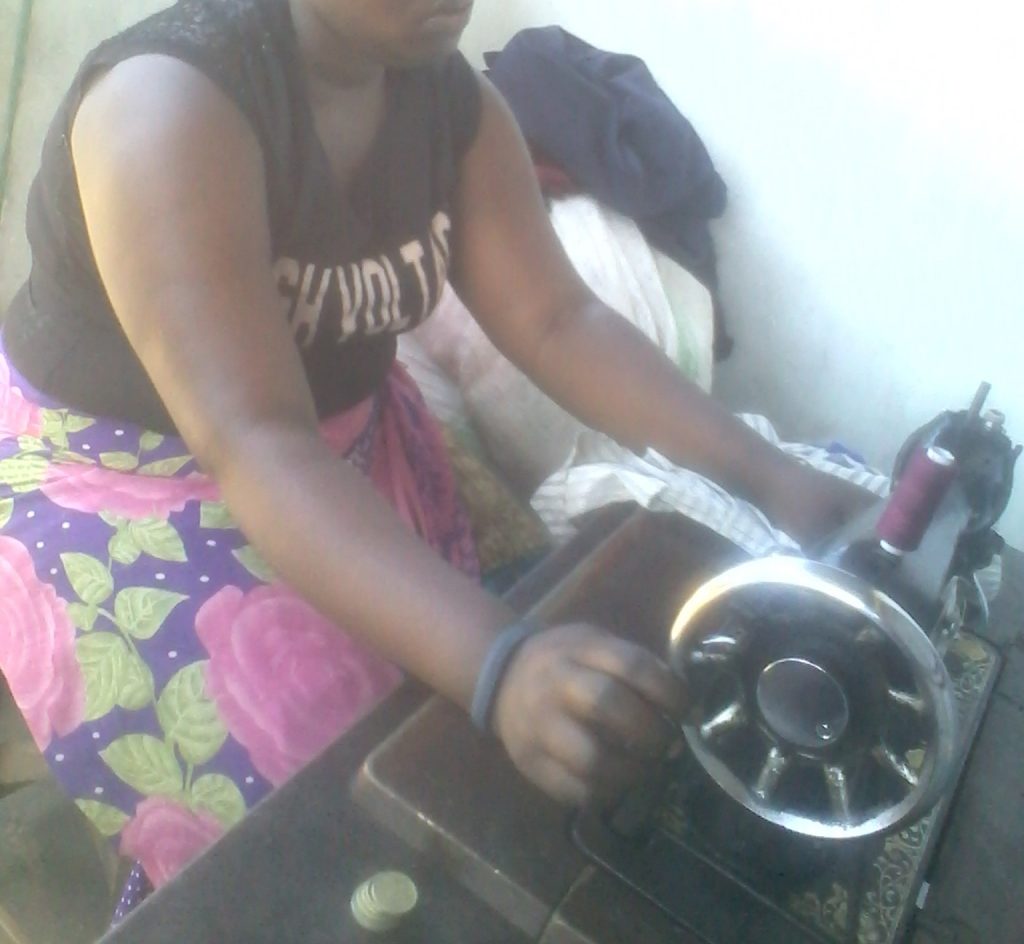
Mrs. X was a 26-year-old woman who was married with two children. She had a small business that involved selling food from her home. She also sold charcoal and had a tailoring business. Her usual household chores included mopping the house, washing clothes, cooking, washing plates, and arranging trade items in the stall. When she was not doing any of these activities, she was talking to her neighbors. The author observed her for eight days in September 2018. She usually had two meals per day: one in the afternoon between 12:00 and 15:40 and the other in the evening between 19:05 and 20:48. These comprised a combination of an emmele (main dish), such as cassava (which she ate one time), matooke (three times), posho (two times), rice (nine times), and sweet potatoes (one time), and an enva (side dish), such as beans (one time), cabbage (four times), eggplants (four times), groundnuts (two times), meat (two times), and silver fish (one time). The side dish was always prepared by frying unless it was made from groundnut powder. The main dish was usually prepared by steaming after wrapping it in banana leaves unless it was rice, in which case it was boiled. On only two days did Mrs. X have a morning meal of porridge [2] at about 11:00, in addition to the usual two meals. A largely sedentary lifestyle, frequent rice consumption, and relatively few eating occasions that occurred mostly later in the day are some of Mrs. X’s identifiable characteristics with a known relationship to obesity.
[2] A thick gruel made from maize flour
The plan is to continue similar observations of several other women to facilitate the identification of characteristics that are common among overweight women.
Copyright © 附属次世代型アジア・アフリカ教育研究センター All Rights Reserved.